AFTERWORD
AFTERWORD
Thank you to everyone who has read up to this point and everyone from the website Shōsetsuka ni Narō who cheered me on from the very beginning. Thanks to you, I was able to put Volume 2 of The Alchemist Who Survived Now Dreams of a Quiet City Life out into the world. What’s more, I’m happy I get to release this in the winter, just as it is in the story. It’s the time of year where I want to nod off in a sunny spot, maybe even treat myself to a good book.
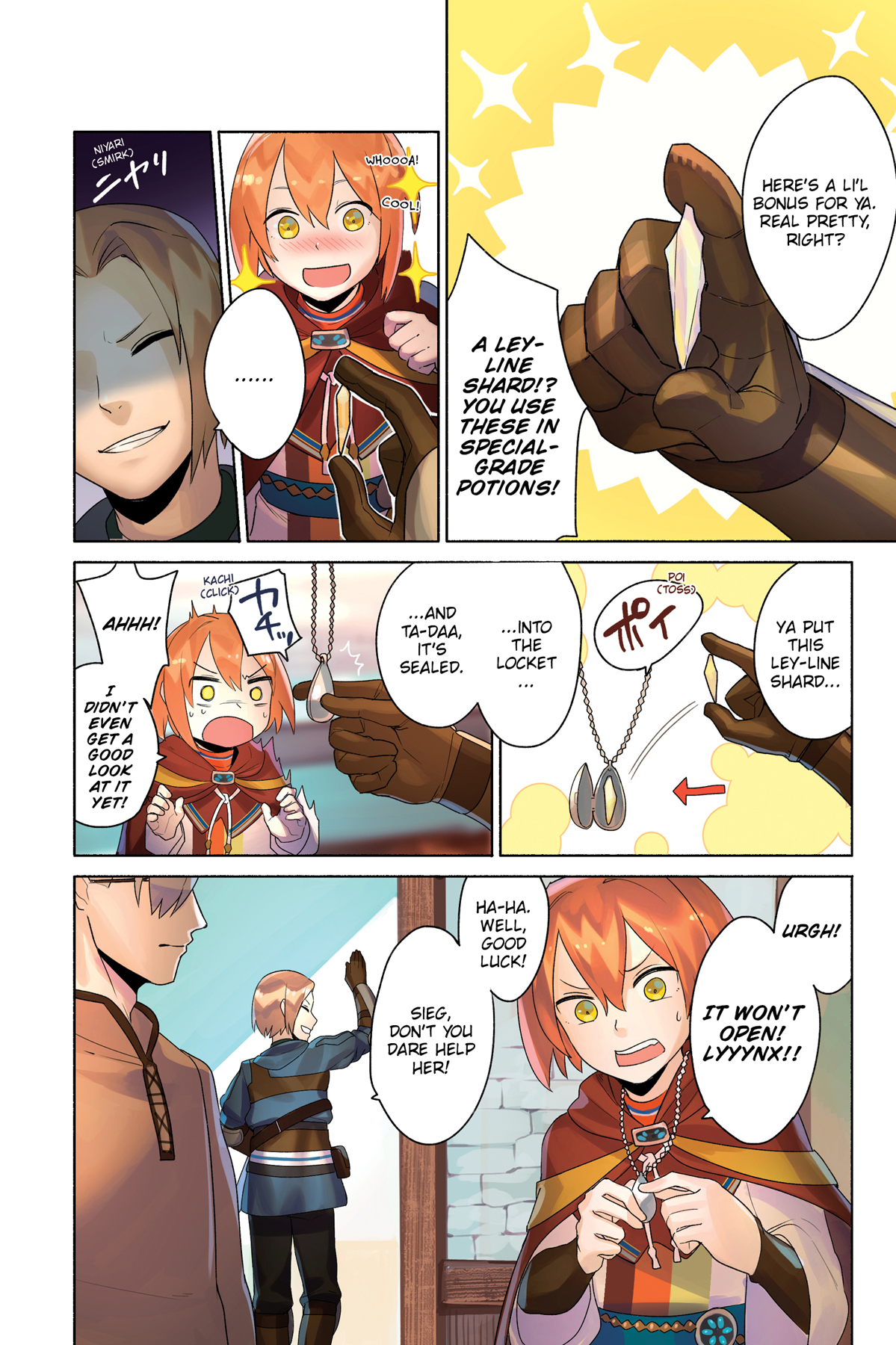
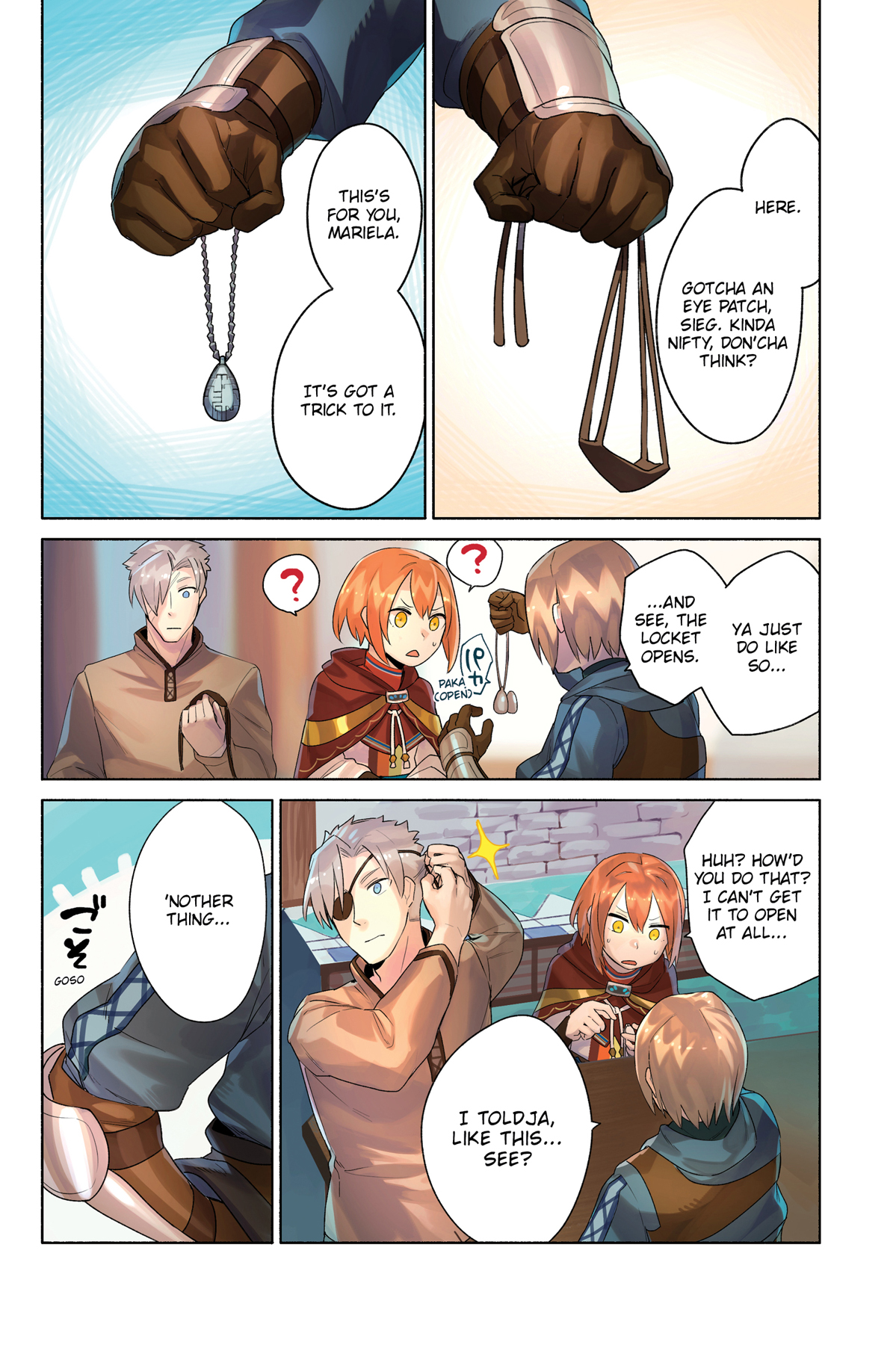
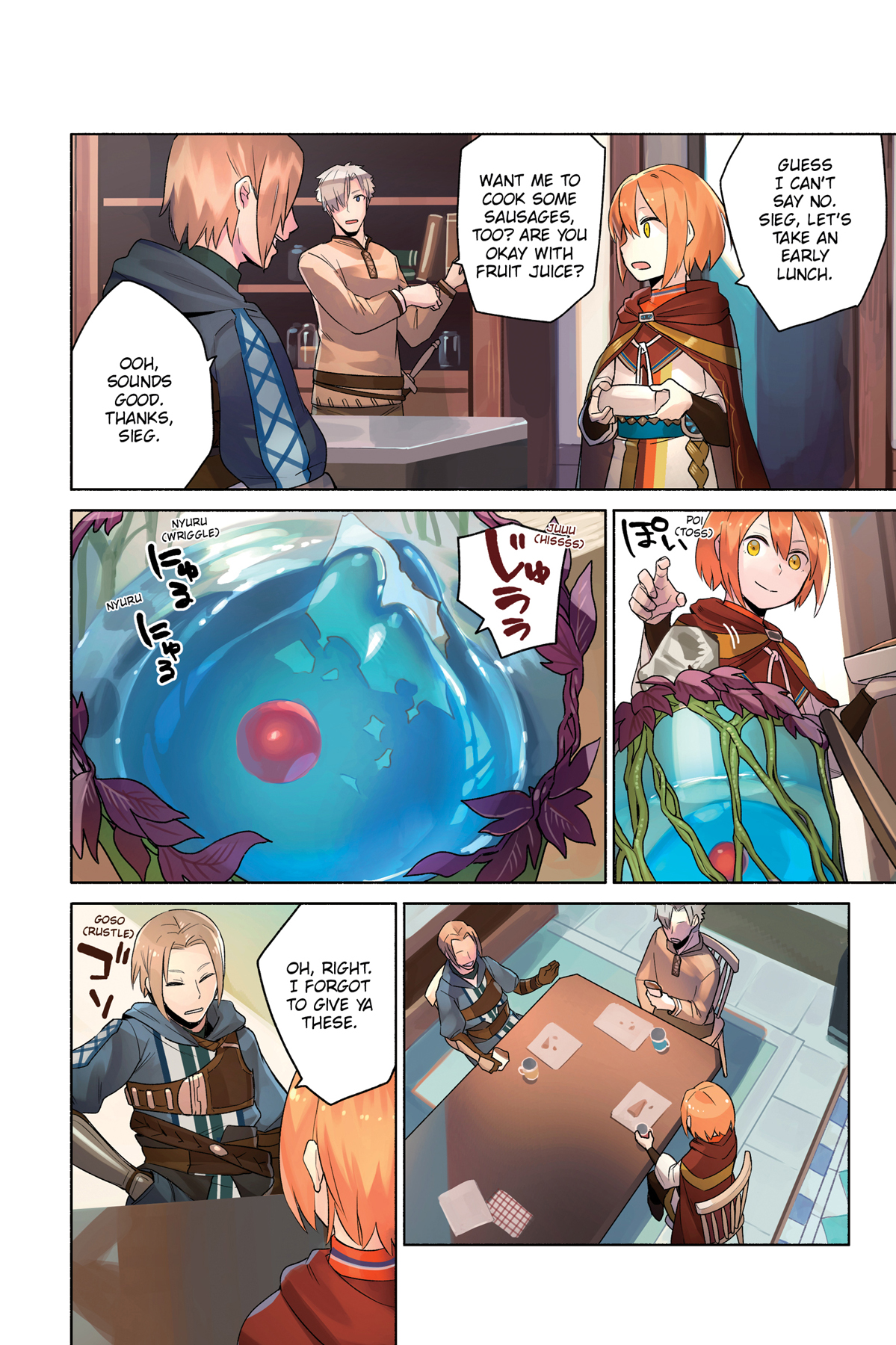
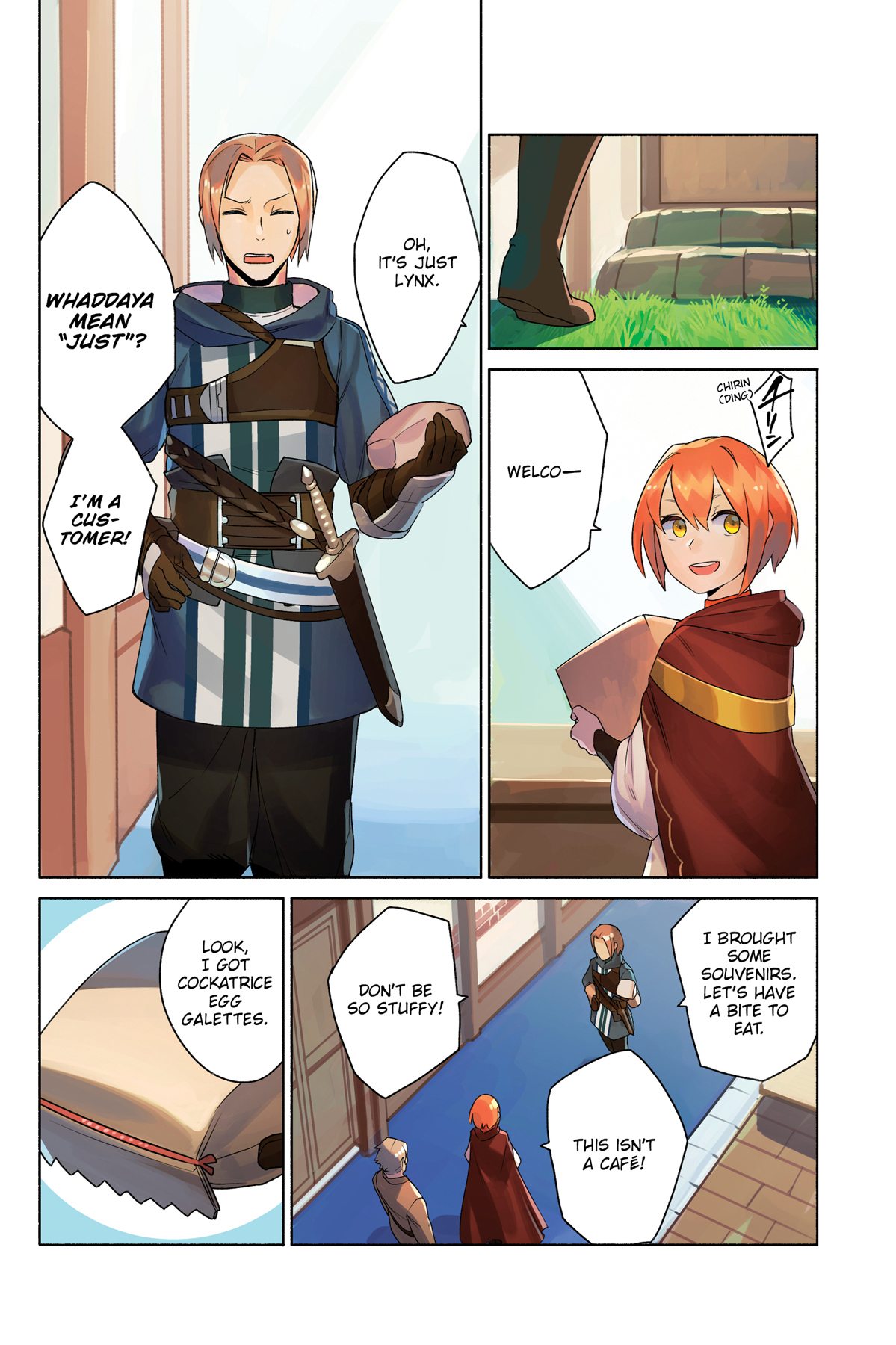
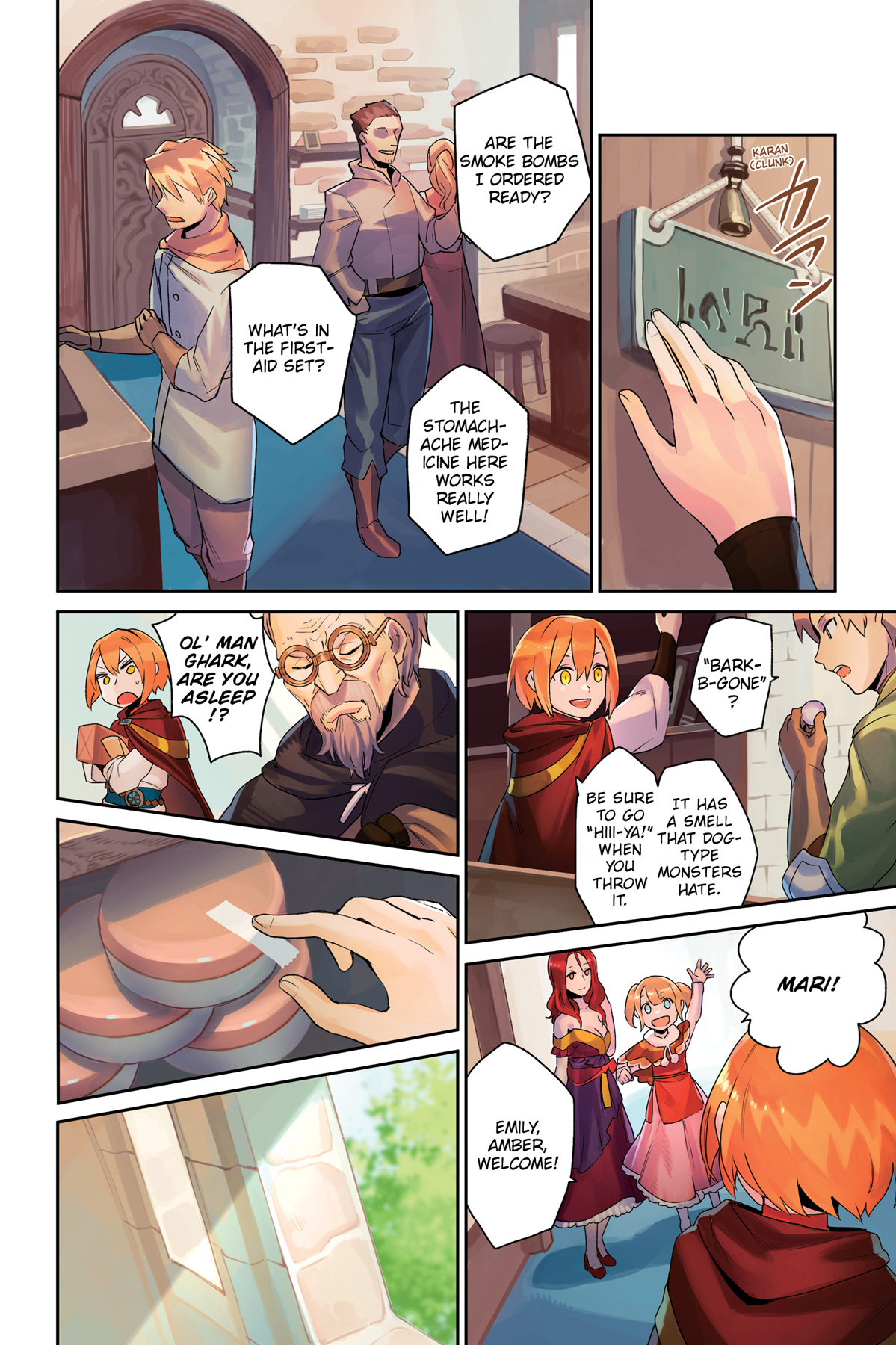
Now, Volume 2 covers Mariela and Sieg’s day-to-day life in the Labyrinth City where they’ve settled in a place of their own, as well as the efforts of the Labyrinth Suppression Forces who help preserve this quiet lifestyle by subjugating the Labyrinth that’s literally underfoot. This volume also reveals the secret of the potions preserved over the two-hundred-year period Mariela slept.
If this is your first time reading this volume, your view of Robert might have changed once the details of Estalia’s life and death came to light. I wanted to write “a revelation that alters the way one appreciates and interprets the story,” hence why I chose to keep Estalia asleep through the very end.
By the time Robert is introduced, Estalia has already departed this world. Robert’s dramatics before her glass coffin may have been a hint that he had bound himself to her.
The two centuries following the Stampede have been like an extended winter for the Labyrinth City. The mysteries buried in the long winter come to light as the snow thaws and the season turns to spring. What kinds of changes will the springtime breeze bring Mariela and the others?
With spring comes giddiness and excitement, and yet the sky during this season tends to be cloudy and rainy. The turbulent shadows already beginning to smolder may bring forth dark clouds. I’m pleased to bring you such changes among the people of the Labyrinth City come Volume 3.
Finally, I’d like to express my heartfelt thanks to ox, the illustrator who so vividly depicted Mariela and the other characters; the manga adaptation and the advertisements; my editor Shimizu, who worked so hard to put this book out there; and everyone at Kadokawa.
Usata Nonohara